Going Back to an Old DSLR in the Smartphone Era: When Technology Makes Us Forget How to Shoot
Last Eid in March 2026, I bought a Canon EOS 50D on a whim. This used to be my dream camera back in the day, and now it’s incredibly cheap. My intention was simple: I wanted to photograph my kid with a “proper” camera.
My photography journey actually started back in 2012 with a Canon EOS 20D. However, since I sold that camera in 2016, I practically stopped using DSLRs.
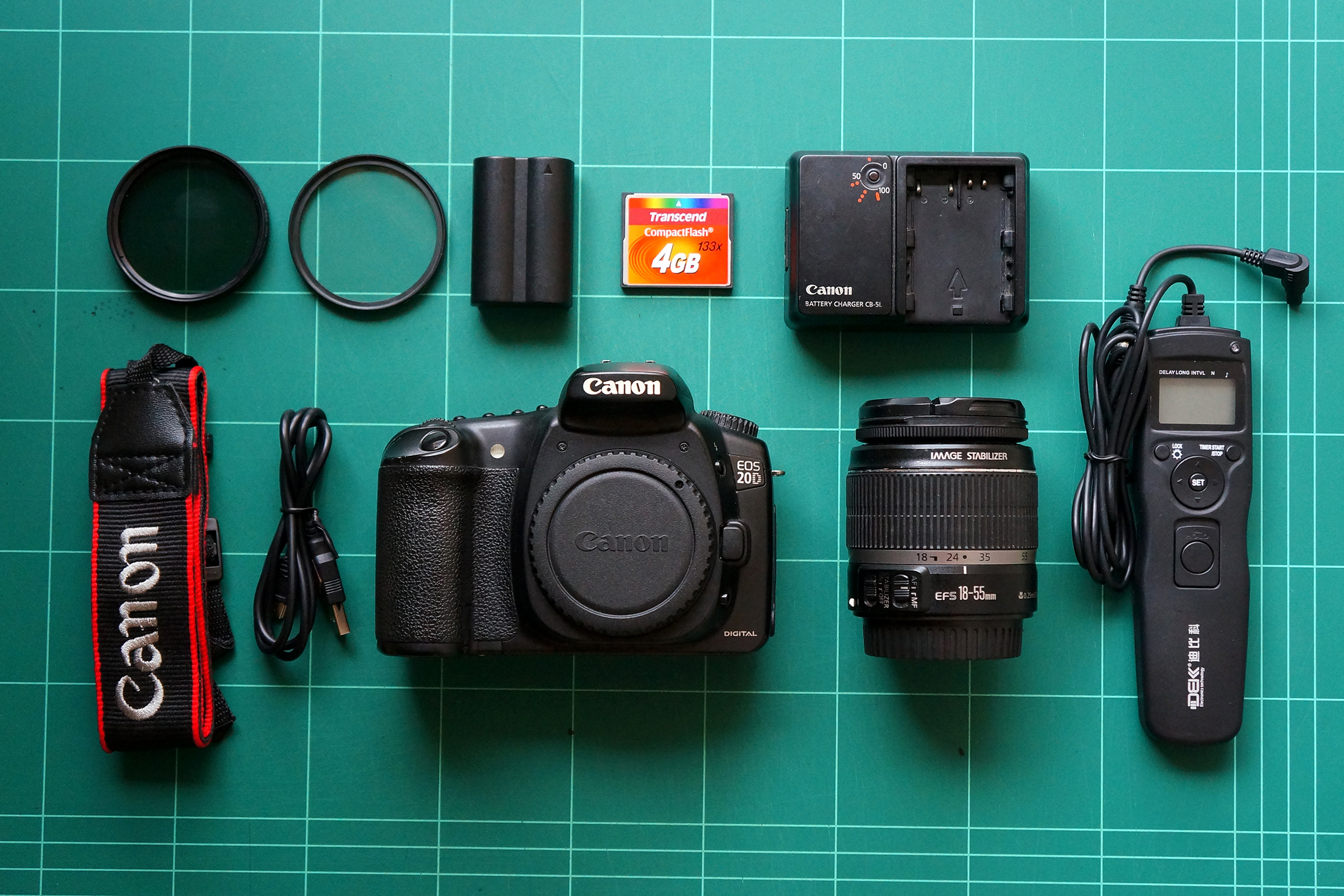
For years after that, I solely relied on smartphones and mirrorless cameras to capture moments. Everything was instant and easy.
But the expectation of reminiscing with a DSLR wasn’t as beautiful as reality. When I looked at the shots from the 50D, I was quite shocked. Most of my photos were either out of focus or the exposure was a mess. It turns out, I’ve been so spoiled by the convenience of modern technology that I “forgot” how to take photos.
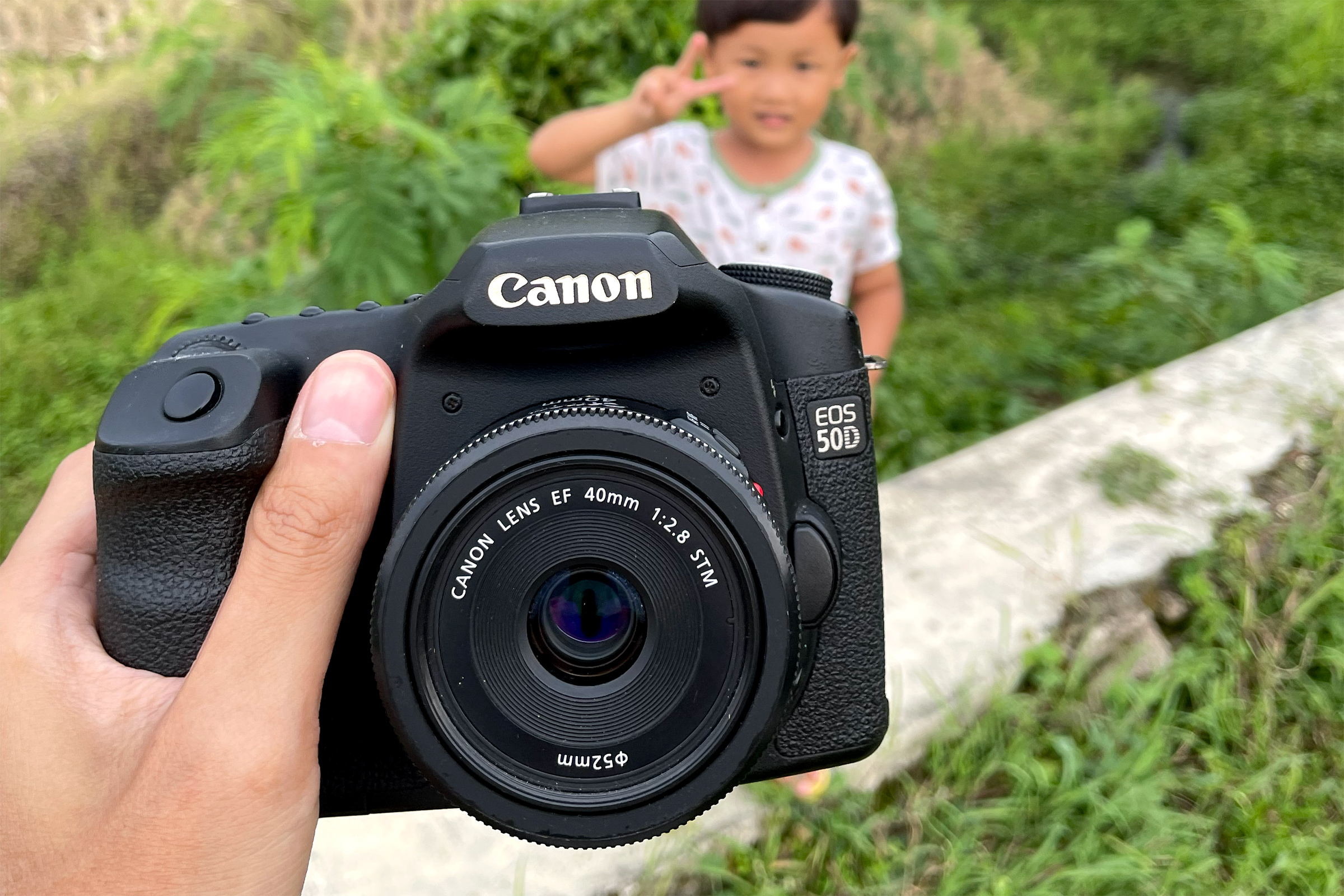
Here are a few fundamental things that I apparently had to relearn.
1. Forgetting How to Focus (Focus & Recompose)
Back then, with very limited focus points, we were used to the focus and recompose technique. We’d lock the focus on the center point, then slightly shift the camera to adjust the composition.
Now? I’m so used to face AF and eye AF on smartphones and mirrorless cameras that always nail the focus wherever the subject is. My manual focusing instinct is completely gone, which resulted in a lot of blurry photos of my kid.
2. Guessing the Exposure
The ease of seeing exposure in real-time on a smartphone screen actually ruined my lighting instincts. What you see on the screen is the final result.
When using an old DSLR through the optical viewfinder, I just took the numbers from the camera’s built-in light meter as is. I completely forgot to account for lighting challenges like backlight, subjects partially under the shade, or sunrise/sunset conditions.
3. Honest Old Sensors vs Computational Photography
This is where the difference is most noticeable. Modern smartphones use computational photography to produce perfect photos right out of the box. HDR, colors, and sharpness are all adjusted automatically.
On the other hand, the photos from an old DSLR are very “honest”. The resulting files often look flat and need a touch of editing. This hassle directly impacts the next point.
4. The Hassle of Sharing Moments
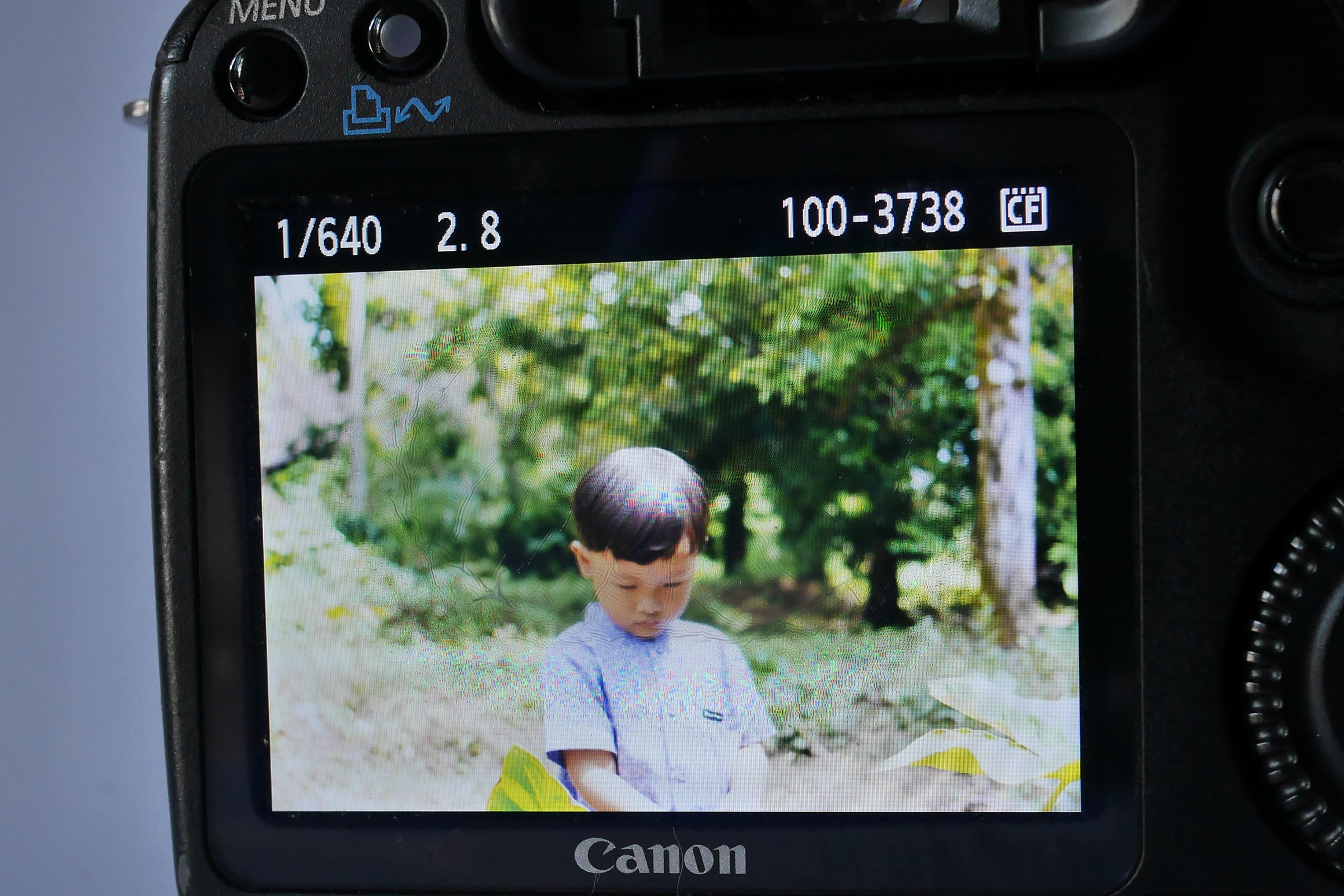
Using a smartphone, photos can be easily shared to social media or WhatsApp right that second. The moment is still fresh.
With an old camera, the workflow is very long. I have to connect the camera to a PC using cables (or a card reader), transfer the files, do some editing, and then send them to my smartphone. Because of how long this process takes, the captured moment has often passed and the photo no longer feels relevant to share.
5. ISO Limitations and Noise Tolerance
Back then, we were very careful about raising the ISO so the photos wouldn’t be filled with noise. Now, smartphones have Night Mode that can turn night into day, and modern mirrorless cameras still look very clean at ISO 6400.
When photographing my kid indoors using the 50D, I just realized how limited this old sensor is. Pushing the ISO above 800 or 1600 produces quite distracting noise. I forgot that back then, shooting indoors often required the use of an external flash.
Conclusion
In the end, I sold the EOS 50D again because I realized I wasn’t quite ready to start using a DSLR again. As a replacement, I bought another dream camera of mine: the Panasonic Lumix GX7. Even though it’s not as advanced as today’s mirrorless cameras, at least I can confirm the focus and exposure right then and there, before pressing the shutter button.
Stay curious! ✨